
We know how important high quality early learning opportunities are for young children. Yet, too often, early childhood organizations lack the state and local supports needed to meet the needs of young children. If we want better outcomes for children and families, we have to shape the systems that shape their lives through policy advocacy.
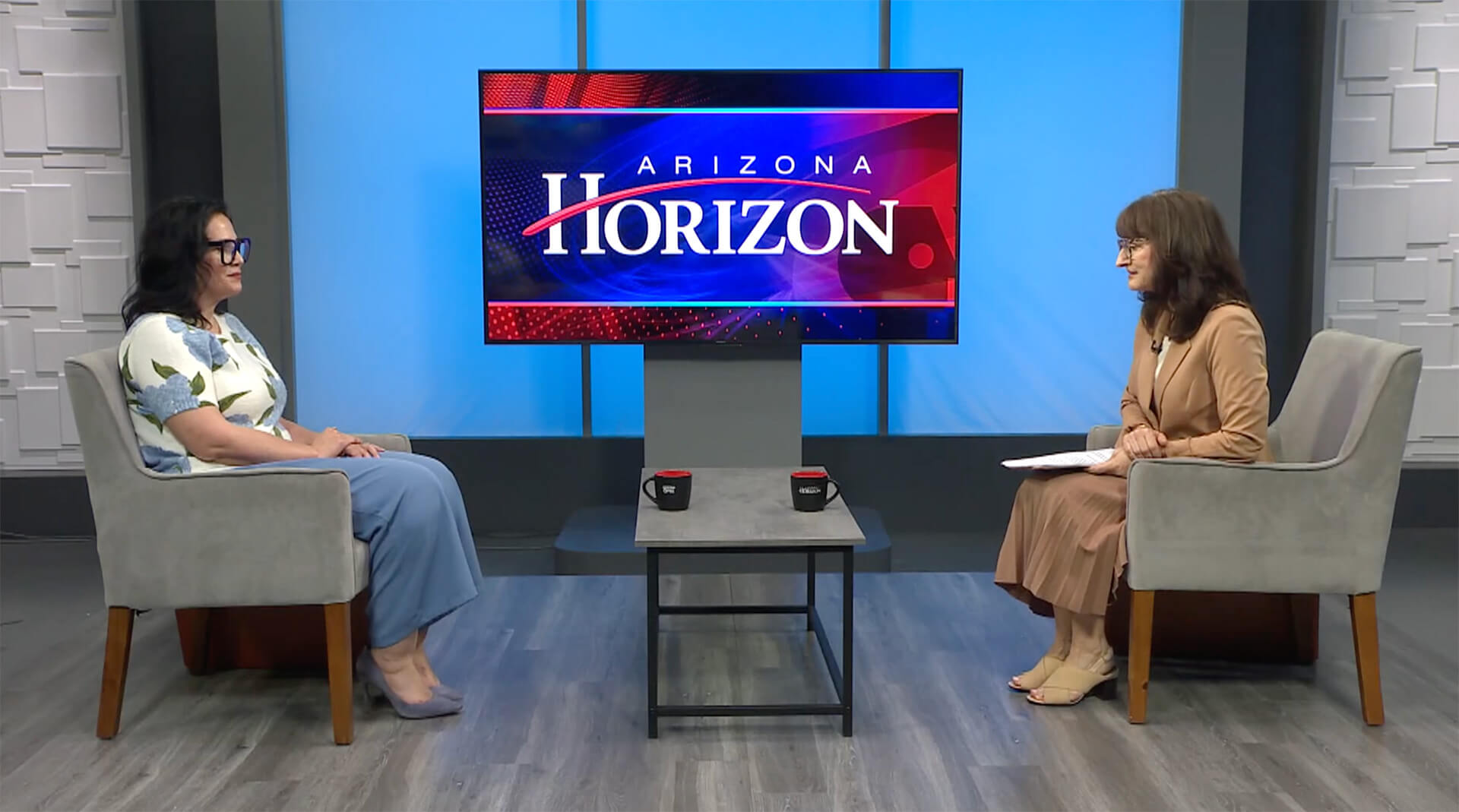
Thanks to its national footprint and deep local experience providing high quality early learning environments, the Educare Network and its member schools are uniquely positioned to influence policy across 15 states, Washington D.C., and the Winnebago Reservation. I recently spoke with the executive leadership of Educare Arizona—Ginger Ward and Eve Del Real—who exemplify the Network’s relationships-rooted approach to systems change. They do not treat policy and advocacy as separate from practice, but as an extension of it, using what they see every day with children and families to inform how systems should work.
Their approach offers a compelling model for the field, rooted in partnership, persistence, and a clear understanding that impact at scale requires engagement beyond the classroom.
Below are excerpts from our conversation.

Q: How do you see policy and advocacy as part of the Educare mission?
Ginger Ward: Policy and advocacy are essential to our mission. We center our mission on prevention, early intervention and ensuring children ages birth to five get the help they need to thrive. Direct services alone are not enough to ensure children and families have what they need.
We use what we learn from our work with children and families to inform policy—so we can address the broader systems and conditions that impact their lives. That means engaging with legislators, agencies, and partners to help shape more responsive systems.
We have expectations of our leadership group that they will participate in advocacy activities and committees in the community in order that we are present at every single activity that we know of to become much more involved in all the things that are happening at the state level.
Q: What does it look like to build an organization focused on quality where advocacy is shared, not siloed?
Ginger Ward: We’ve made advocacy part of the culture. It’s not just leadership—staff across the organization have opportunities to learn, engage, and participate.
Over time, we’ve focused on building comfort and understanding. That includes training, conversations about how policy works, and creating opportunities for people to engage in ways that feel aligned with their roles.
Eve Del Real: A big part of this is making policy feel accessible. When people understand it, they’re more likely to engage. Creating space for learning and questions builds confidence—and that leads to more participation.
We’ve made advocacy part of the culture. It’s not just leadership—staff across the organization have opportunities to learn, engage, and participate."
– Ginger Ward
Q: Can you share an example of how using the Educare approach has driven change?
Eve Del Real: We recently worked with the state to better connect Head Start programs with the child care subsidy system. There was a clear gap—and an opportunity.
Through partnership and strategic communication, we helped position Head Start as part of the solution. That led to stronger integration, expanded capacity, and greater visibility across the state system.
Ginger Ward: It also helped state leaders better understand the role Head Start plays. When you can clearly show how programs connect to broader needs—like addressing child care shortages—it changes the conversation.
Q: What made that effort successful?
Eve Del Real: It was a combination of relationships, strategy, and how we approached the work. We came in offering solutions, not just identifying problems.
We also spent time helping stakeholders understand the full picture—connecting data, experience, and outcomes. That kind of clarity builds trust and opens doors.
Relationships are critical. Policy can feel complex, but when you take the time to connect, explain, and build trust, it becomes much more accessible—and much more effective."
– Eve Del Real
Q: What is your North Star in this work?
Eve Del Real: Partnership. When we work across sectors—bringing together different perspectives and resources—we can create stronger, more effective systems for children and families.
Ginger Ward: And persistence. This work takes time. Our focus is always on improving systems for children and families, and that requires staying committed, even when progress is slow.
Q: What lessons would you share with others in the field who want to bring the Educare perspective to their policy advocacy?
Ginger Ward: You have to be persistent and collaborative. Change doesn’t happen quickly, and it doesn’t happen alone.
It’s also important to be clear about the issues you’re engaging in and how they impact children and families. That clarity guides the work. I work at a systems level to bring things to leaders that we can actually solve to make it better for children and families and communities.
Eve Del Real: Relationships are critical. Policy can feel complex, but when you take the time to connect, explain, and build trust, it becomes much more accessible—and much more effective.
Change doesn’t happen quickly, and it doesn’t happen alone."
– Ginger Ward
Q: What gives you hope right now?
Ginger Ward: There’s growing alignment around the importance of investing in early childhood. More people recognize the urgency and the need for solutions.
Eve Del Real: We’re seeing movement—more collaboration, more openness, more willingness to engage. That creates a real opportunity to build the infrastructure we need.